


The Most Sustainable Merch of All Time
Revolverino creates upcycled, eco-friendly merch your audience will love.
Custom merch printed on recycled basics from textile waste and PET bottles — less water, fewer emissions, zero dyeing. We handle your store, your designs, and event printing — even on guests’ own clothes.
Start Zero Waste MerchThe Most Sustainable Merch of All Time
Revolverino creates upcycled, eco-friendly merch your audience will love.
Revolverino creates upcycled, eco-friendly merch your audience will love. Revolverino creates upcycled, eco-friendly merch your audience will love. Revolverino creates upcycled, eco-friendly merch your audience will love.
Featured
Shop all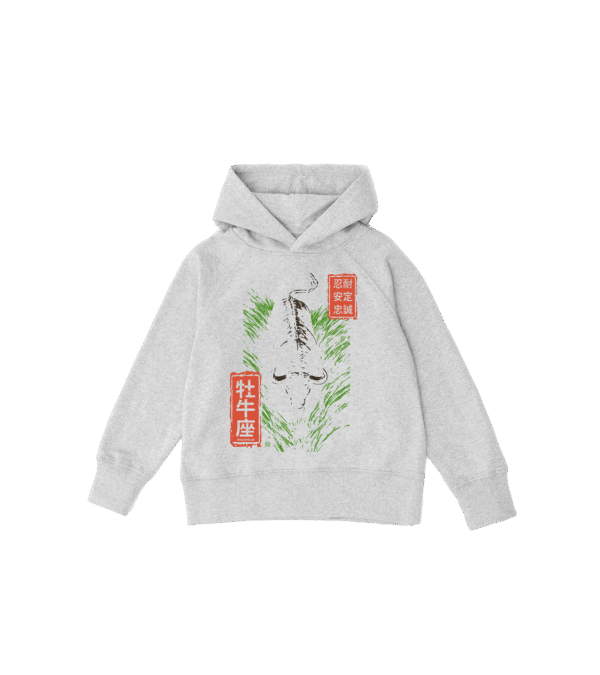

 T-shirts Norse & Viking
 Hoodies Norse & Viking
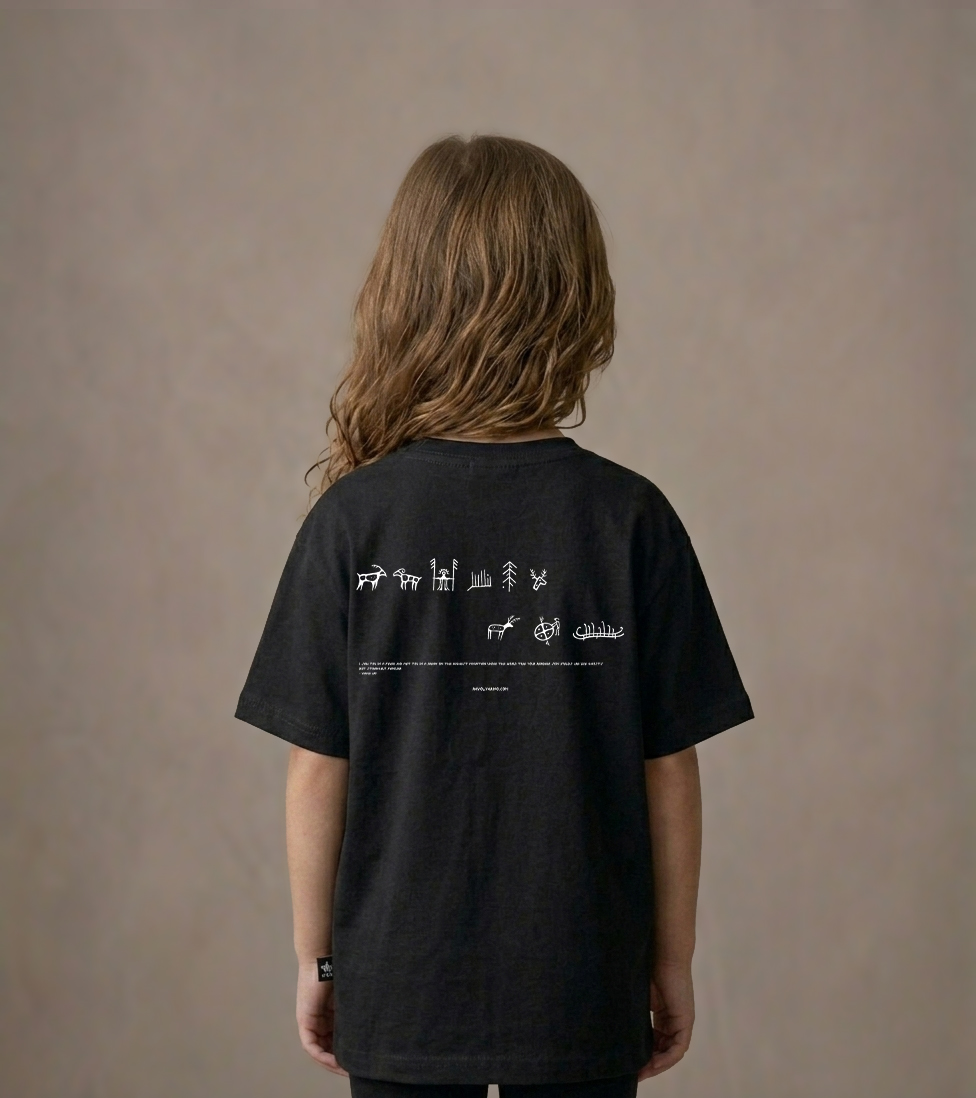 Kids Norse & Viking
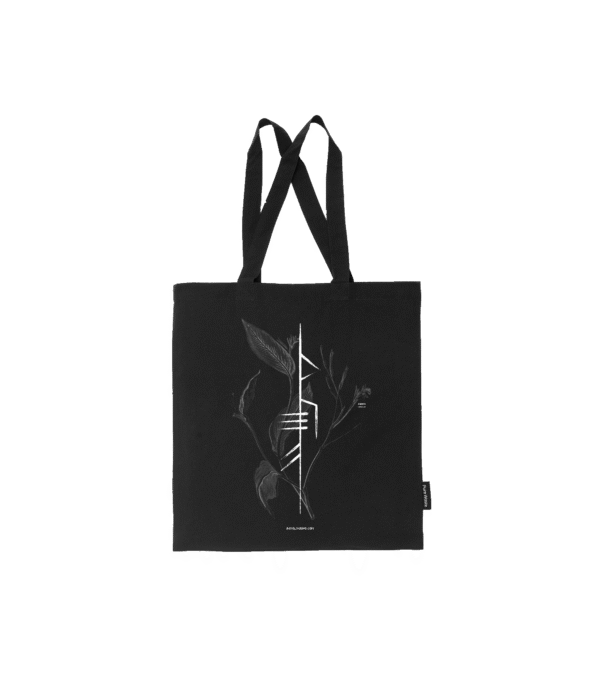
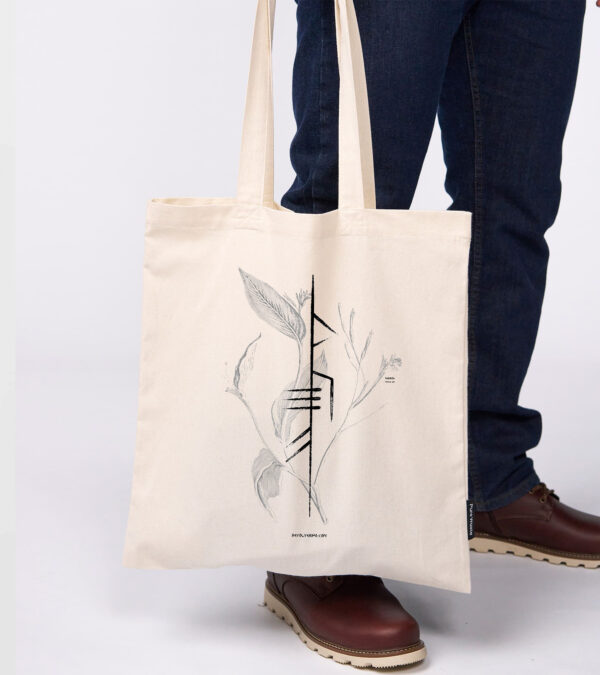
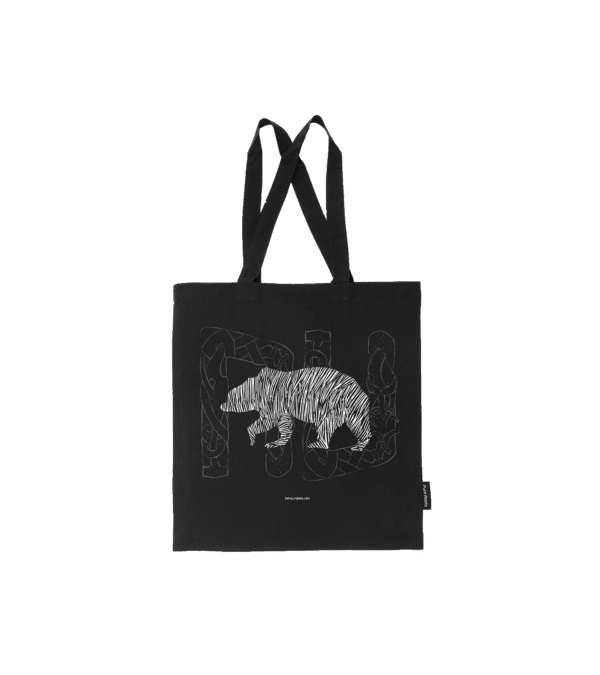
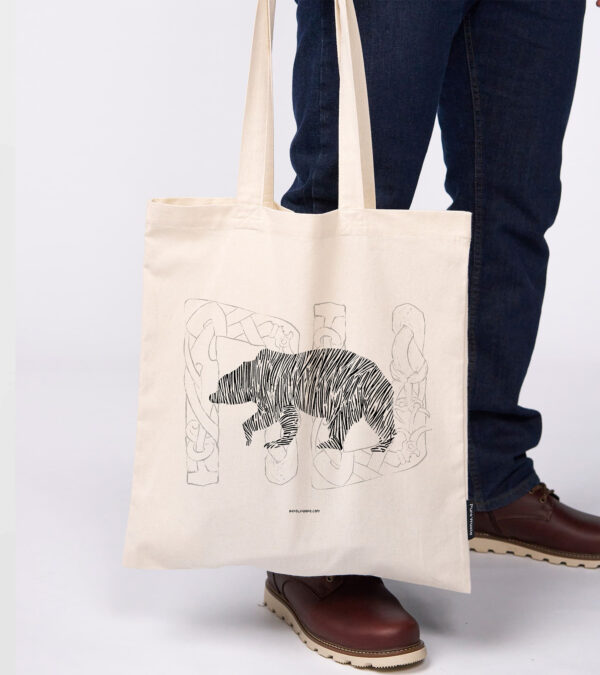
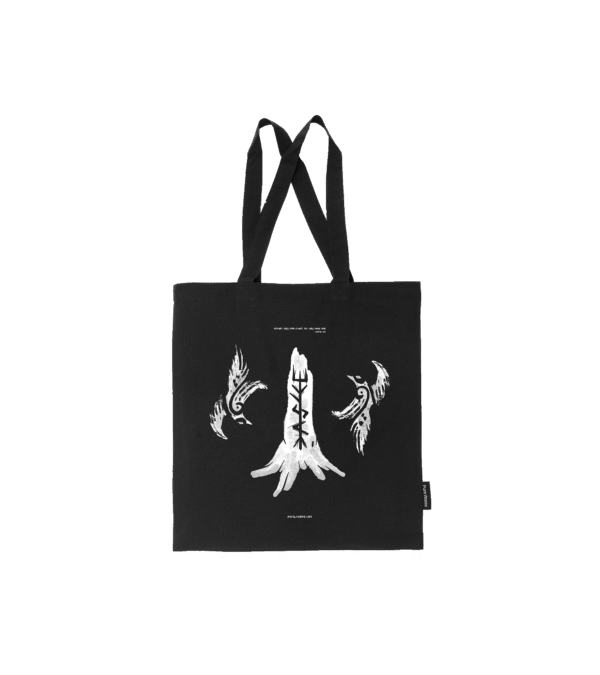
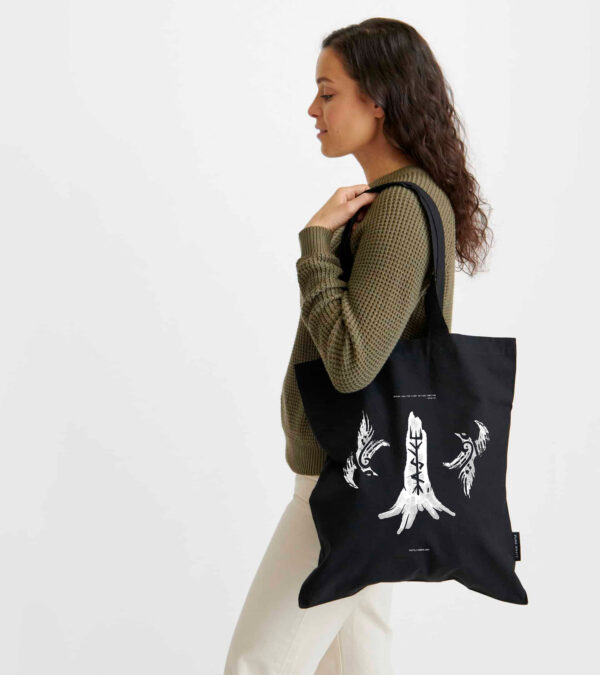
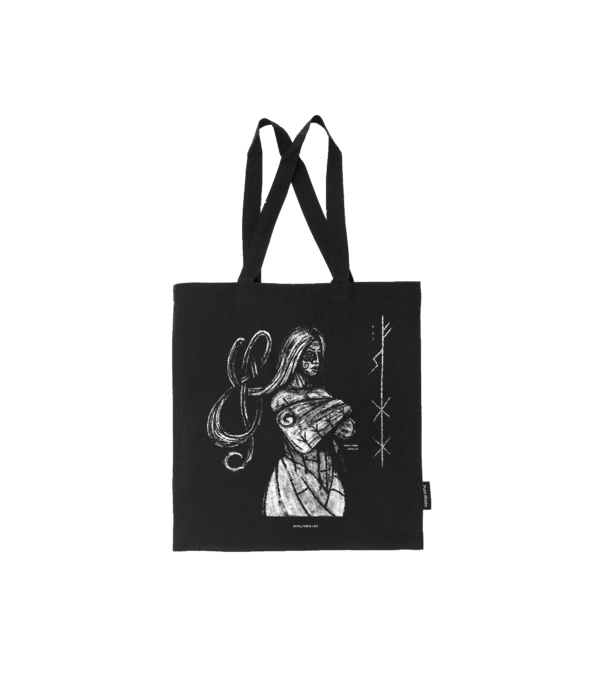
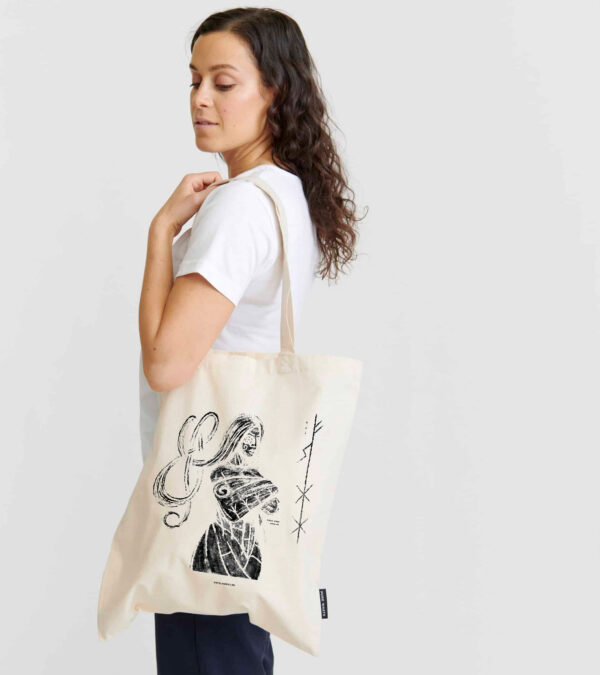
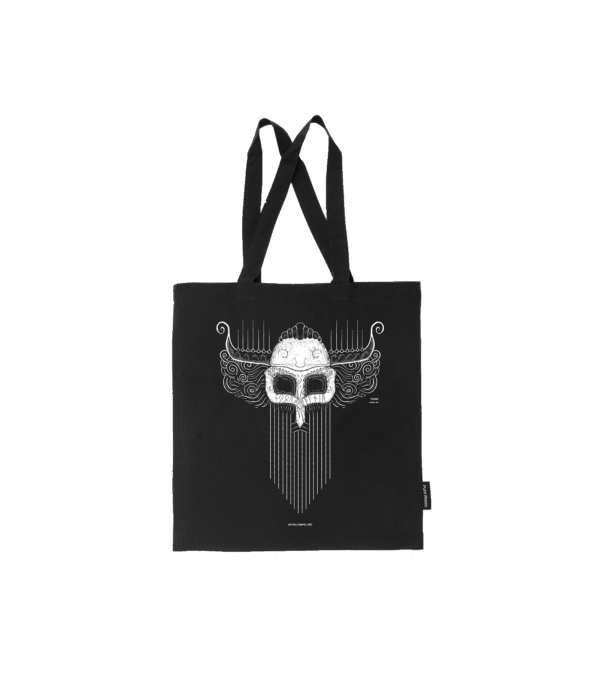
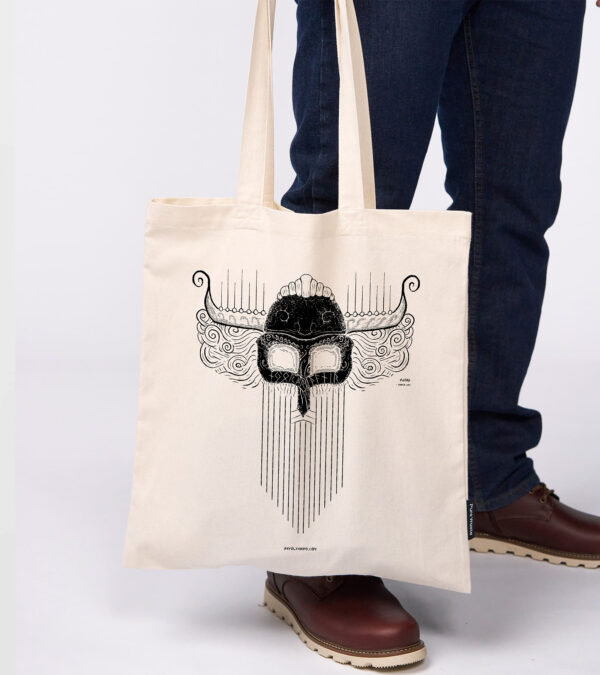
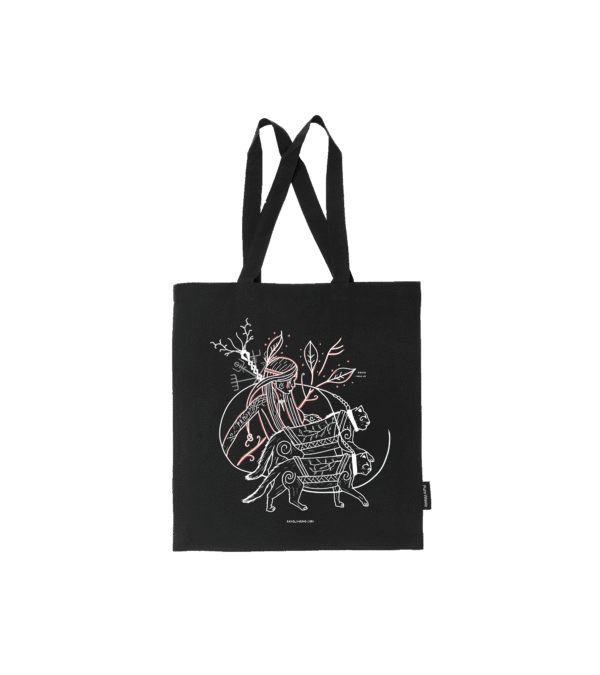
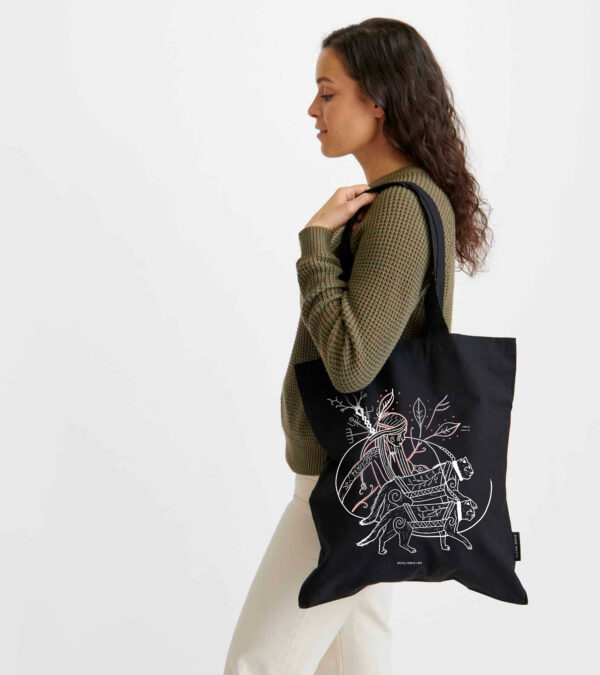
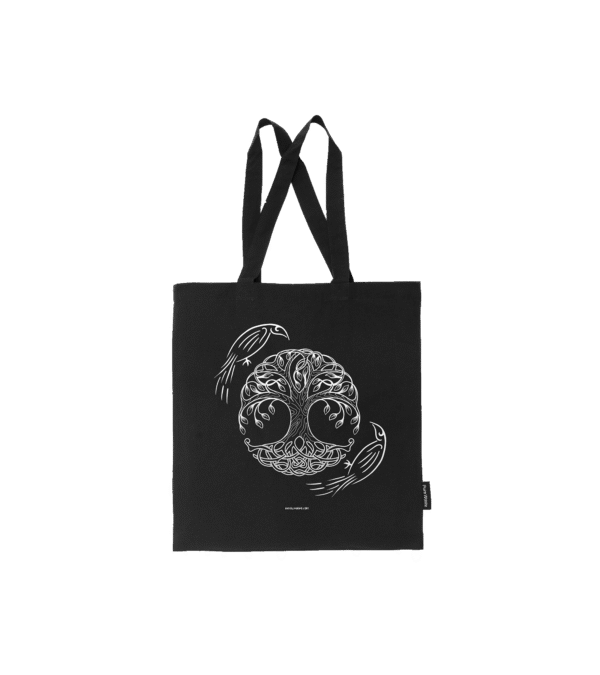
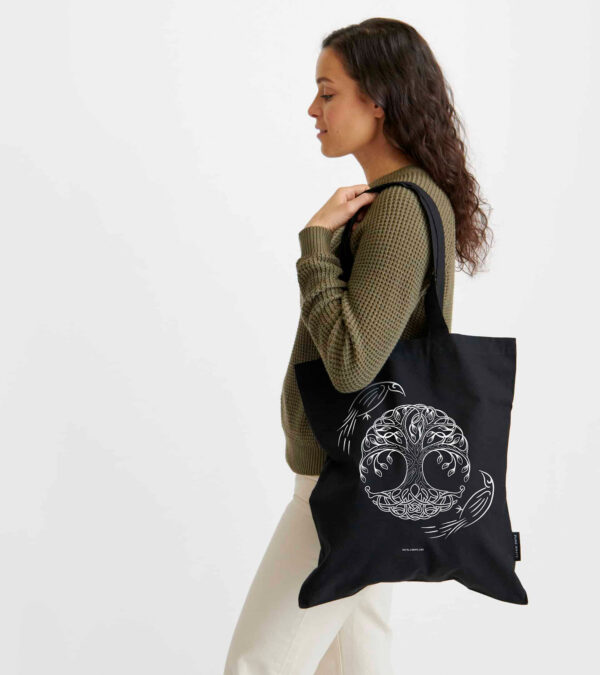
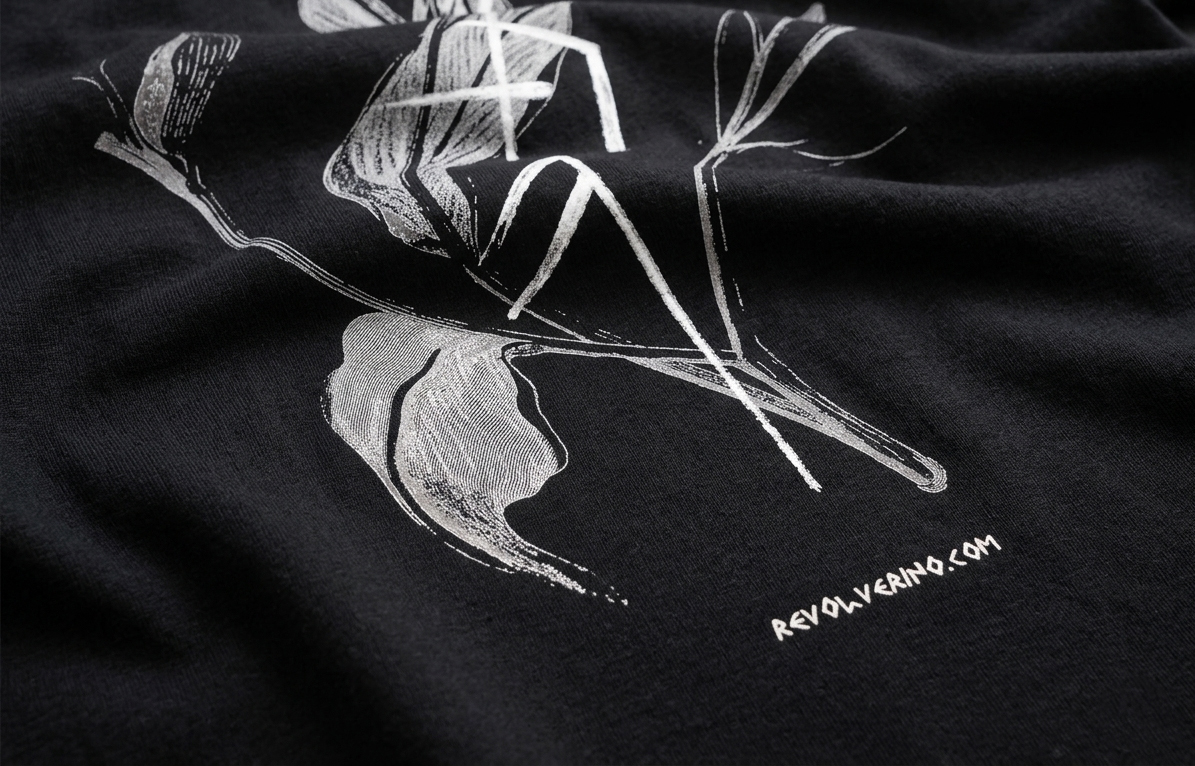 Accessories Norse & Viking
The Most Sustainable Merch of All Time
Revolverino creates upcycled, eco-friendly merch your audience will love.
Revolverino creates upcycled, eco-friendly merch your audience will love. Revolverino creates upcycled, eco-friendly merch your audience will love. Revolverino creates upcycled, eco-friendly merch your audience will love.
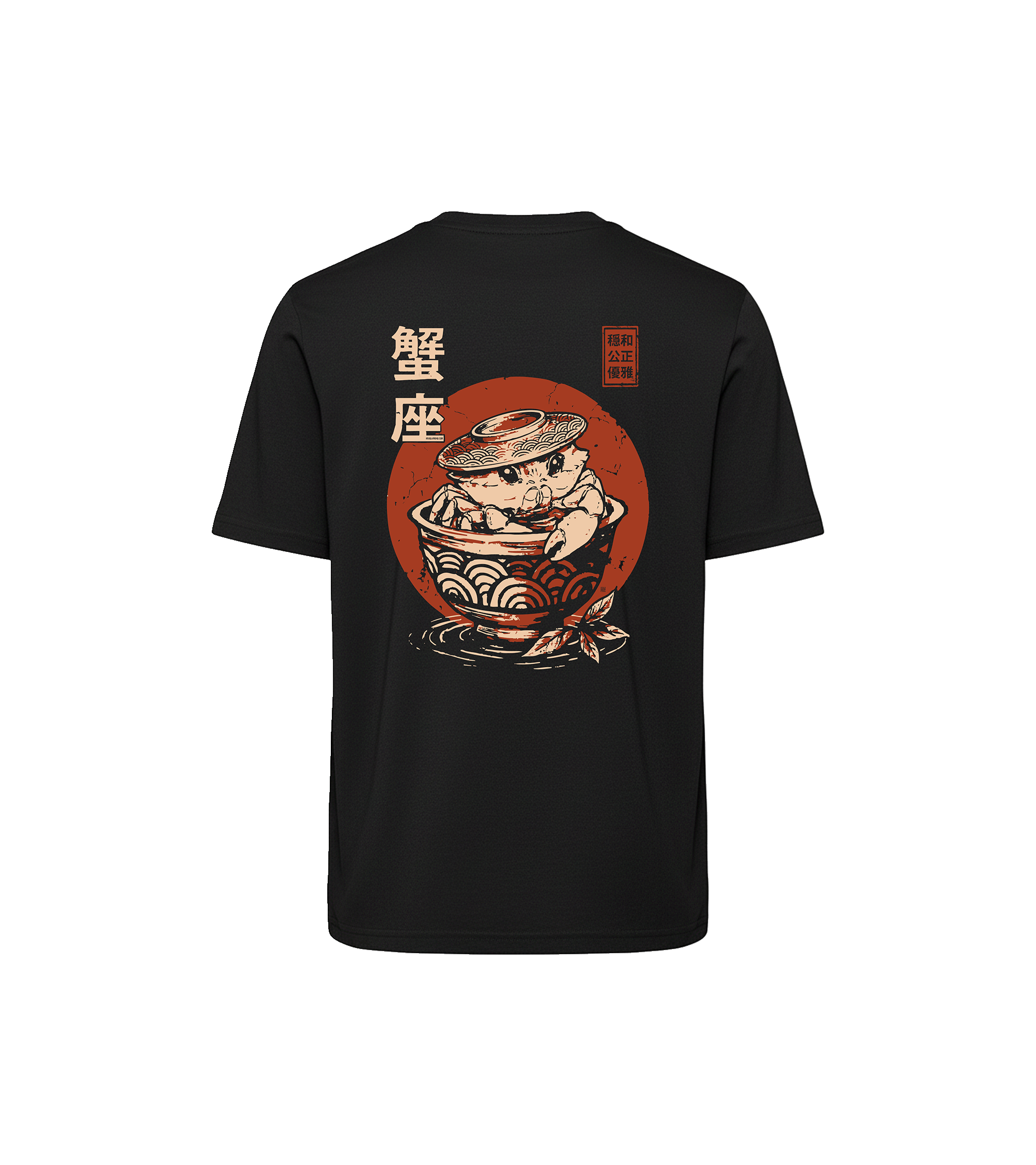 T-shirts Zodiak Kanji
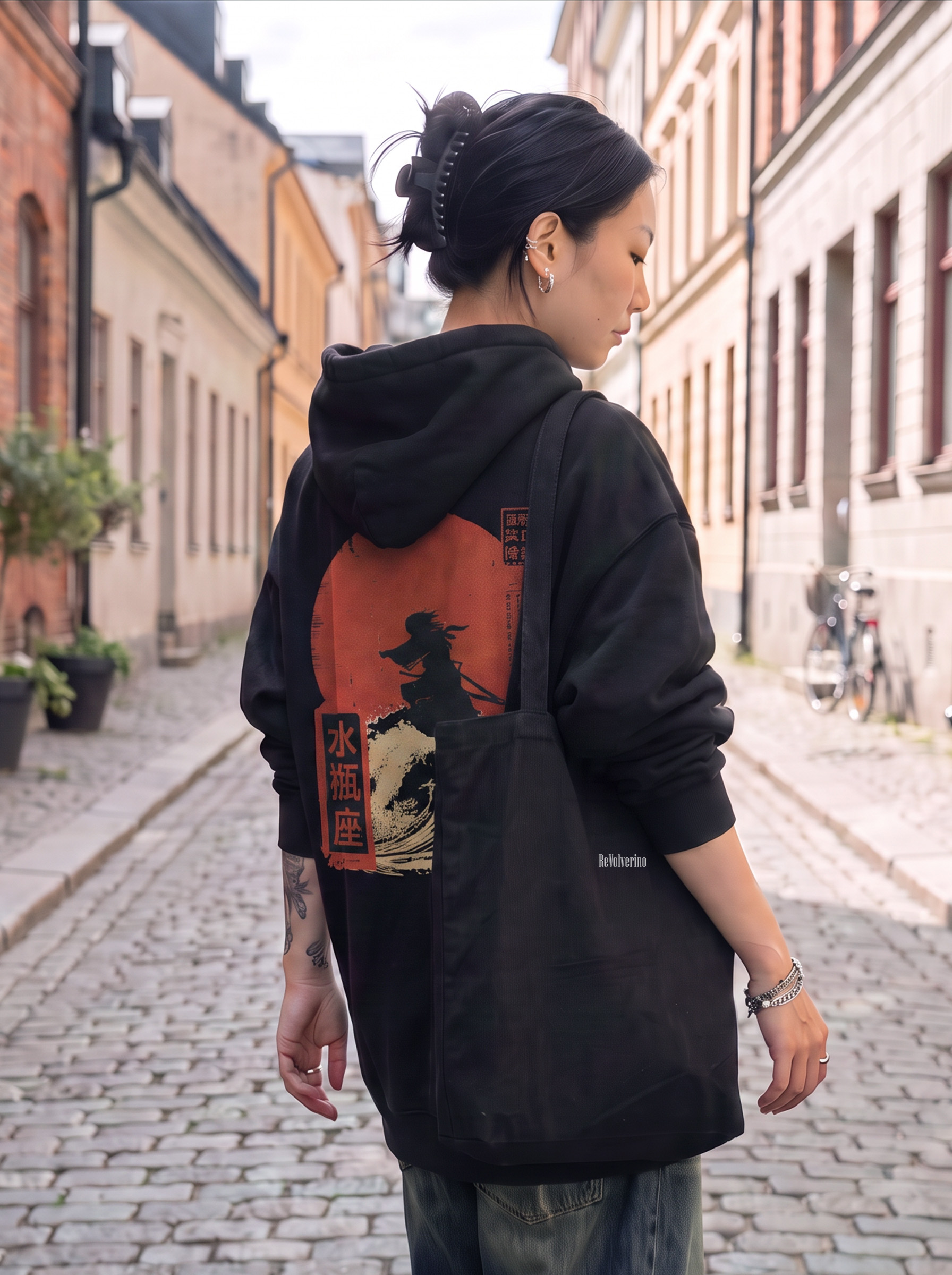 Hoodies Zodiak Kanji
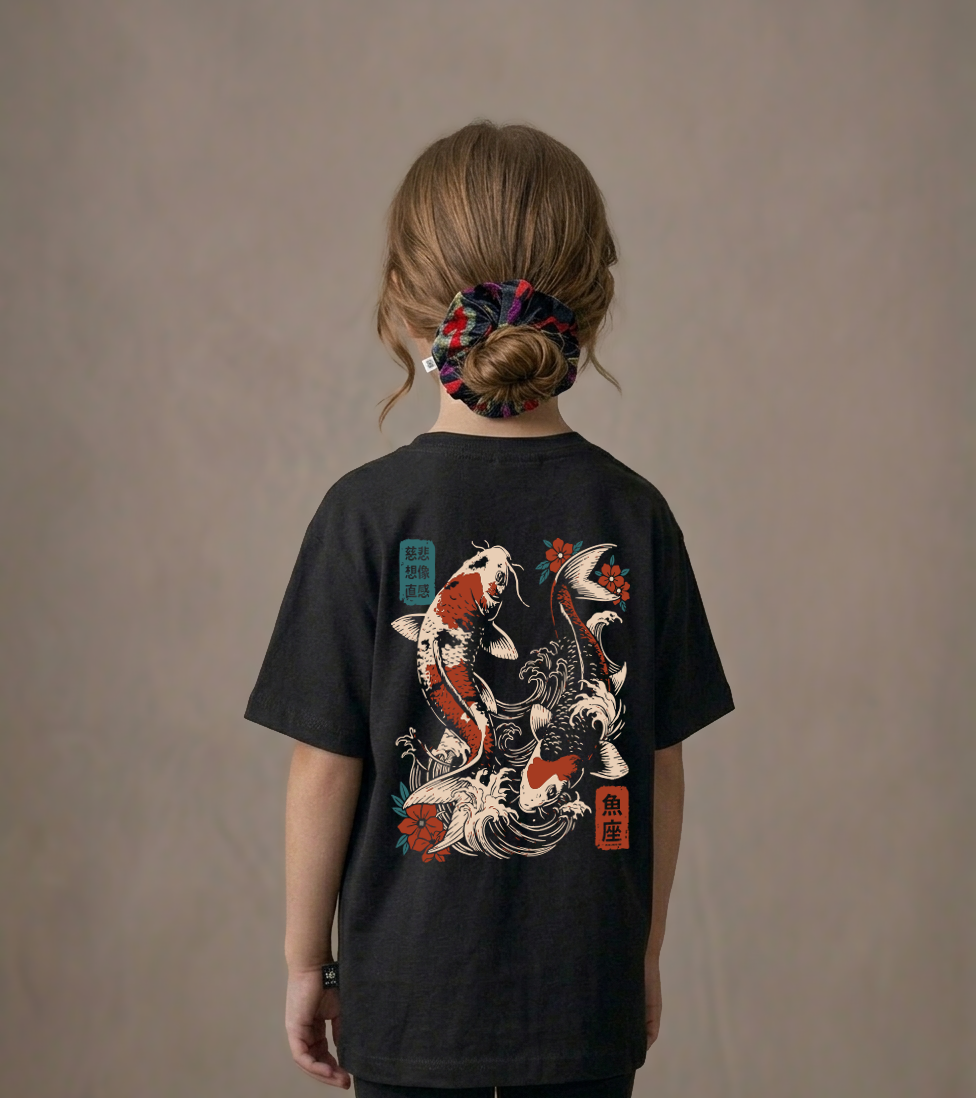 Kids Zodiak Kanji
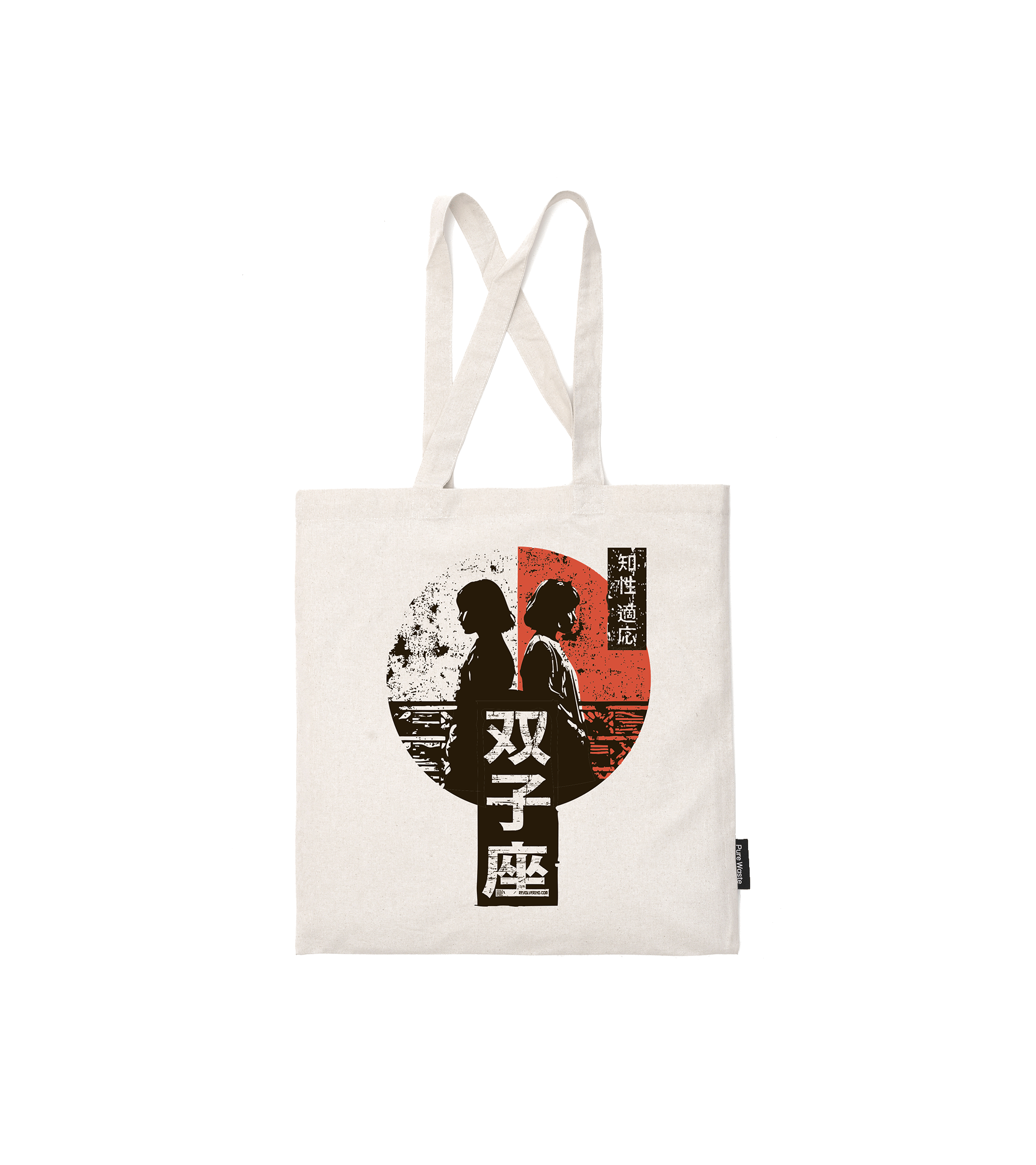 Accessories Zodiak Kanji
Print on your own
Shop all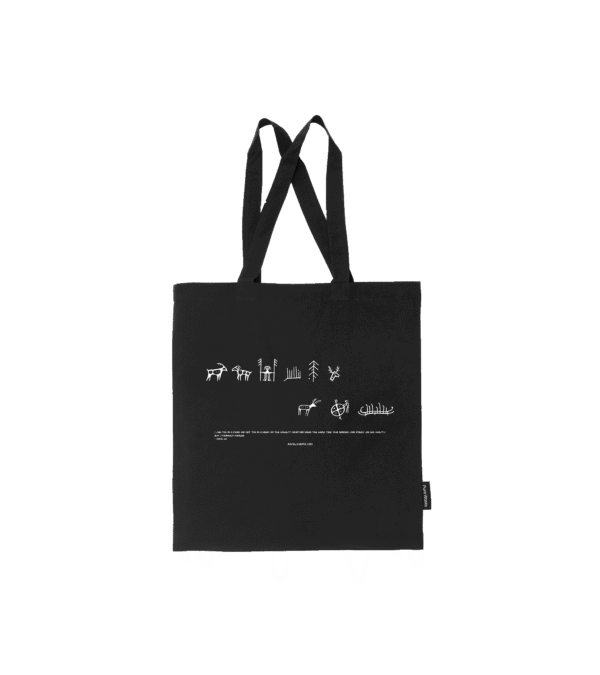

frequently asked questions
- Producing one t-shirt requires 2,700 liters of water and 3 liters of chemicals.
- Many factories lack proper wastewater treatment, contaminating local ecosystems.
- Communities near textile factories are forced to relocate due to environmental damage.
- Unfair labour practices, including child labour and unsafe conditions, are widespread.Most fast fashion is produced in low-income countries like India, Bangladesh and China, where regulation and transparency practices are limited.
Organic cotton avoids pesticides, but certification doesn’t guarantee ethical production, discharge regulation or fair labor. Brands often overemphasize importance of organic cotton while ignoring bigger issues.
Sustainable fashion refers to clothing and merchandise produced with minimal harm to people and the planet. It addresses major issues in the traditional fashion industry—including overproduction, excessive waste, harmful chemicals, and unfair labor practices—and promotes practices that protect the environment and workers. Choosing sustainable fashion helps reduce waste, lower carbon emissions, and support ethical supply chains.
Circular merch is merchandise created within a circular economy model: materials are reused, recycled, or upcycled instead of being thrown away. This means items are designed to last, use existing resources (like recycled fabrics or PET plastics), and avoid creating unnecessary waste. Circular merch closes the loop by treating clothing and prints as part of a sustainable lifecycle.
CHOOSE TRANSPARENT, ETHICAL SUPPLIERS
Avoid suppliers with vague or hidden supply chains. Only a few brands truly disclose working conditions at every production step.
REUSE, UPCYCLE & RECYCLE
We’ve already produced enough textiles for future generations. Use what’s already out there. It’s better for the planet and more powerful for your brand.
STAY LOCAL
Global fast fashion exists because brands moved production to low-wage countries.
Working locally:
- Reduces your carbon footprint
- Strengthens your community
- Restores value to fashion by paying fair prices
SELL LESS, BUT SMARTER
Sounds strange? Maybe. But by charging fair prices and offering creative or digital alternatives, you can thrive without overproducing.
“Selling less” is the new growth strategy in a world that craves meaning, not more stuff.
We use on-demand printing methods that eliminate overproduction and reduce waste. We offer printing on recycled and upcycled bases and even print on customers’ own garments and accessories at events. This approach limits unused inventory and helps extend the life of existing clothing—both key principles in circular fashion.
Our basic tees and hoodies are made from recycled cotton (fabric waste) and PET materials, helping divert waste from landfills and reduce the need for new raw fabrics. We also offer upcycled products like bucket hats—each one unique and made from reclaimed textiles.
Slow fashion prioritizes quality, durability, transparency, and ethical production over mass-produced, cheap clothing. It stands in contrast to fast fashion’s model of rapid trends and disposable garments. Slow fashion reduces environmental harm and encourages mindful consumption—helping lessen the industry’s overall impact while supporting ethical practices.
Yes! We can bring print-on-demand services onsite to your event using your chosen design—or print directly on guests’ own clothes and accessories. This reduces the need for new clothing production and makes powerful sustainability messages tangible for attendees.
Because we print on demand, you only pay for what you sell and the shirts or hoodies that are actually used. This reduces upfront cost, eliminates excess inventory, and lowers the environmental footprint compared to traditional bulk production models. Then there is a cost for the actual print. Please contact us for a free quote.
Choose quality over quantity, shop eco-friendly brands, repair and reuse clothing, and consider second-hand or upcycled items. Supporting circular merch and mindful fashion choices helps shift away from the resource-intensive model of fast fashion.